Small Pond, Big Toke Pool: The Honest Truth About Canadian One-Industry Towns for UK Casino Staff
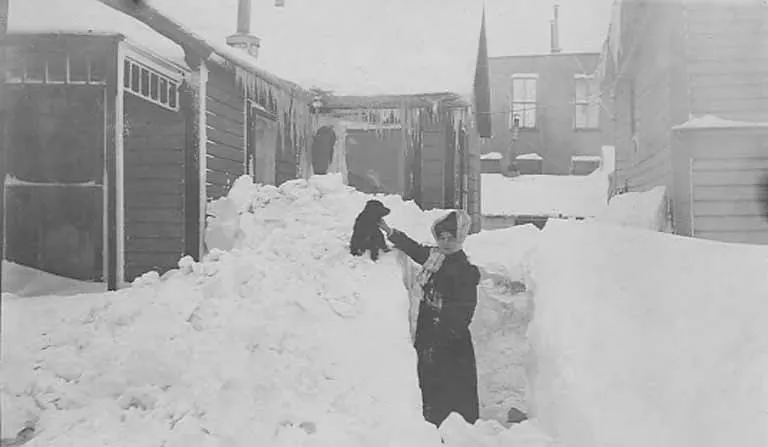
Photo: Unknown authorUnknown author, Public domain, via Wikimedia Commons
Picture it: you're scrolling listings after a Friday night shift in Leeds, and there it is — a dealer wage that makes your current pay slip look like pocket money. The catch? The casino's in Prince George, British Columbia, a city you've genuinely never heard of and can't find on a quick glance at the map.
You're not alone. A huge chunk of Canada's casino jobs sit in smaller cities that exist because of one big employer — a pulp mill, a mining outfit, a hospital, sometimes the casino itself. For UK casino workers used to hopping between urban venues on a bus route, this is a different beast entirely. Here's how to suss it out before you sign anything.
Why These Towns Have Casinos At All
Canadian gaming regulations often favour communities over big cities, so casinos pop up where the workers are — and where there's disposable income from a single dominant industry. Think Sault Ste. Marie in Ontario, built around steel; Thompson in Manitoba, all nickel mining; or any number of forestry towns dotted across BC and the Prairies.
The upside for you is simple: less competition for jobs, lower cost of living, and often a more loyal local clientele who treat the casino as their social hub. The downside is baked into the same sentence — one industry means one economy.
The Rent Is Brilliant Until the Shifts Vanish
Let's talk numbers, because this is where one-industry towns genuinely shine. A one-bedroom flat in Prince George might run you £600 a month equivalent, compared with £1,400-plus in Vancouver. When you're dealing full-time with a decent toke pool on top, your savings rate can look absurd by UK standards.
But here's the scenario nobody puts in the recruitment brochure: commodity prices slump, the mill lays off 300 workers, and suddenly the casino's Friday nights go quiet. Casinos in these towns don't have a deep local market to fall back on. Fewer punters means fewer tables, fewer tables means fewer shifts, and cut shifts are rarely distributed evenly.
It's not a reason to avoid these places — plenty of Brits have thrived in them — but it is a reason to go in with eyes open and a bit of a financial cushion.
What Your Social Life Actually Looks Like
If your idea of a good weekend involves gig venues, proper curry and a choice of four different Wetherspoons, some of these towns will require an adjustment. Sault Ste. Marie has around 72,000 people. Prince George, roughly 76,000. There's culture and community, absolutely — but it works differently.
The flip side, which Brits consistently report surprising them, is how quickly you get adopted. Small-town Canada runs on hockey, snowmobiling and turning up for each other. Your colleagues will have you round for Thanksgiving dinner by October whether you like it or not. If you're the type who chats to regulars at the rail anyway, you'll probably slot in fine.
Also worth knowing: winters in northern towns are serious business. We're talking proper snow, months of it, and darkness that clocks off around 4pm. If you've only known UK winters, this is its own learning curve.
Questions to Ask the Recruiter Before You Sign
This is the bit to screenshot. Any recruiter worth their salt will answer these honestly, and evasiveness tells you something too:
- How stable are the major local employers? If the casino's bread and butter comes from mill and mine workers, ask about the state of that industry.
- What's the current table count and how has it changed over five years? A shrinking floor is a red flag dressed up as efficiency.
- How are cut shifts allocated — seniority, rotation, or first-come? You'll be at the bottom of whichever list exists.
- Is there staff housing or relocation support? In tight rental markets, a landlord who won't take a chance on a new arrival with no Canadian credit history is a real problem.
- What do dealers actually do in the off-season or slow months? Some venues cross-train into bingo, hospitality or the hotel side.
- How many current staff have been there ten years or more? Long tenure usually means the operation is stable and the town is liveable.
The Exit Question
Here's the final thing to think through, and it's the one most people skip: if it doesn't work out, how easy is the move to your next job? A one-industry town has you professionally pigeonholed in a way a city doesn't. The good news is that Canadian casino groups operate nationally, so a year or two of solid experience in Sault Ste. Marie can be your stepping stone to Edmonton, Calgary or even back east to Montréal — especially with the demand for experienced dealers being what it is.
Treat these towns the way you'd treat a good hand: worth playing, but know your position and have a plan for the turn. Do that, and the small pond might just be where you make your biggest splash.
Before you sign anything, though, do your homework on the town itself — a weekend of Googling local news, rental listings and hockey schedules will tell you more than any glossy recruitment video ever will.